
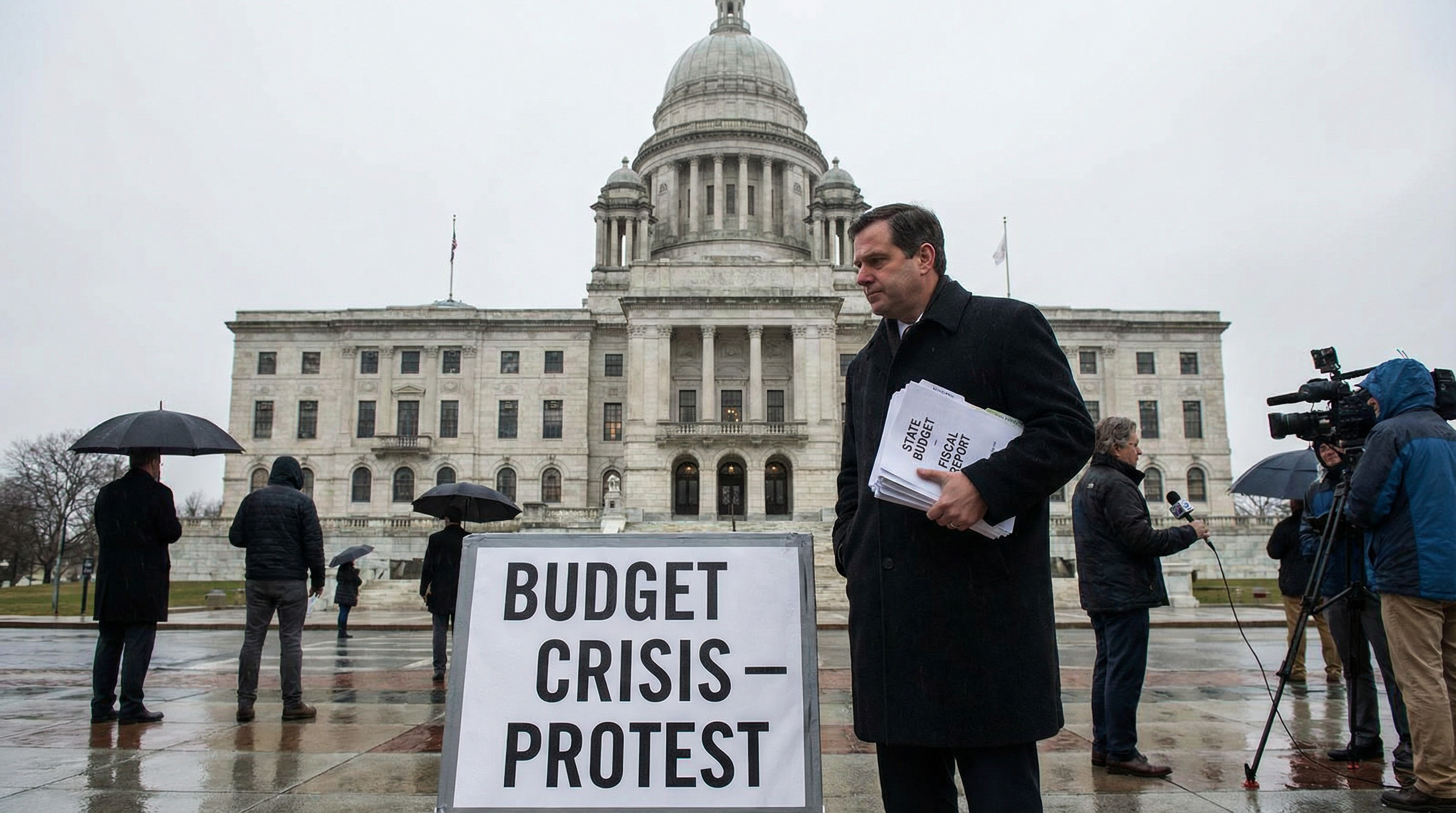
PROVIDENCE, RI – Rhode Island's public employee pension system carries an unfunded liability of approximately $3.4 billion, according to the latest actuarial report, a fiscal time bomb that threatens to crowd out essential government services and place an enormous burden on future generations of taxpayers.
The unfunded liability—the gap between what the state has promised to pay retirees and the assets it has set aside to meet those obligations—has grown despite the landmark 2011 pension reform signed by then-Treasurer Gina Raimondo, which was hailed at the time as one of the most significant pension reforms in the country.
"The 2011 reform was a step in the right direction, but it didn't solve the problem," said Mike Stenhouse of the Rhode Island Center for Freedom and Prosperity. "We still have a massive unfunded liability that will fall on the shoulders of Rhode Island taxpayers for decades to come."
The pension system covers approximately 60,000 active and retired state employees, teachers, and municipal workers. Annual contributions to the pension system consume an increasing share of the state budget, crowding out spending on education, infrastructure, and other priorities.
Fiscal conservatives have long argued that Rhode Island's pension promises are simply unaffordable given the state's economic base. They point to the state's high cost of government, its relatively small private sector, and its aging population as factors that make the pension obligations particularly difficult to meet.
"We're asking a shrinking number of private sector workers to fund increasingly generous retirement benefits for government employees," said Representative Patricia Morgan. "That's not sustainable, and it's not fair to the people who are paying the bills."
State Treasurer James Diossa has proposed a series of reforms to improve the pension system's long-term sustainability, including adjustments to the cost-of-living adjustment formula and changes to the investment strategy. But any reforms that reduce benefits for current or future retirees face significant political opposition from public employee unions.