
PROVIDENCE, RI – A bill that would create education savings accounts allowing parents to use state education funds for private school tuition, homeschooling, and other educational expenses is gaining traction in the Rhode Island General Assembly, with supporters arguing that it would give families more educational options and force public schools to compete for students.
The Rhode Island Education Freedom Act, sponsored by Representative Patricia Morgan and Senator Jessica de la Cruz, would establish a program allowing families to receive a portion of the per-pupil state education funding as a deposit into an education savings account. Families could use the funds for tuition at private schools, tutoring, online courses, special education services, and other approved educational expenses.
"Every child deserves an education that meets their needs, regardless of their zip code or their family's income," said Representative Morgan. "Education savings accounts give parents the power to choose the educational environment that's right for their child."
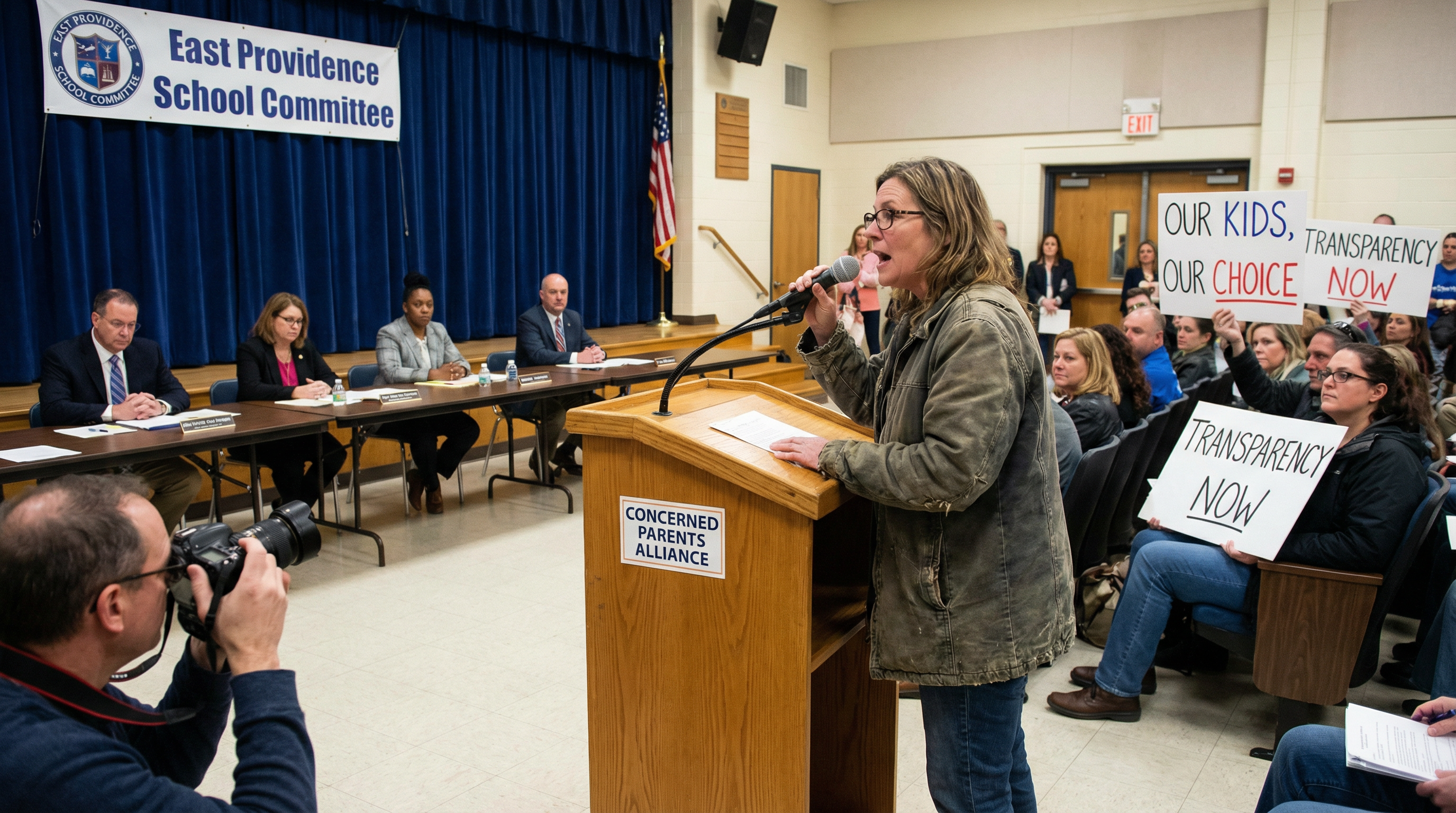
The bill has attracted support from parents who feel that the public school system has failed to meet their children's needs, particularly those with special needs or learning differences. It has also gained backing from religious communities who want to be able to use state education funds for faith-based schooling.
"My son has dyslexia, and the public school system was not equipped to help him," said one Cranston mother who testified in favor of the bill. "We had to pay out of pocket for a private school that specializes in learning differences. This bill would have helped us afford that."
Opponents of the bill, including the Rhode Island Association of School Committees and the NEA Rhode Island, argue that education savings accounts would divert funding from public schools.
"Every dollar that goes to a private school is a dollar that doesn't go to the public school that serves the majority of Rhode Island students," said Lawrence Purtill, president of the NEA Rhode Island.
The bill faces an uphill battle in the Democrat-controlled General Assembly, but its sponsors are optimistic that growing parental frustration with public schools will generate sufficient political pressure to force a vote.