
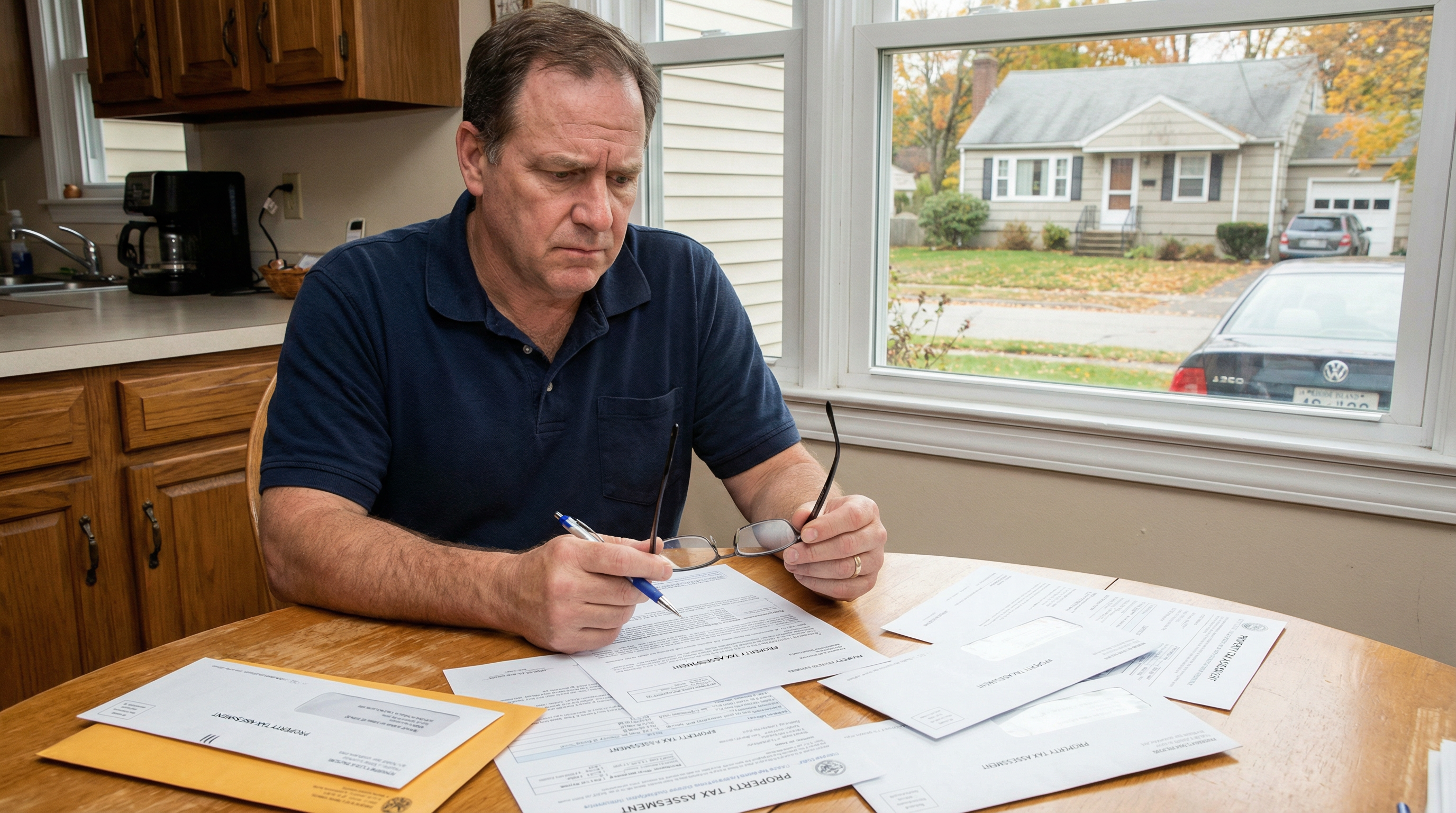
PROVIDENCE, RI – Rhode Island homeowners are paying some of the highest property taxes in New England, according to a new study from the Lincoln Institute of Land Policy that ranks the Ocean State as having the highest effective property tax rates in the region. The average Rhode Island homeowner pays approximately $4,800 annually in property taxes—a burden that fiscal conservatives argue is driving residents and businesses to lower-tax states.
The study, which analyzed property tax data from all 50 states, found that Rhode Island's effective property tax rate of 1.53% is the highest in New England and significantly above the national average of 1.07%. Only New Jersey, Illinois, and Connecticut have higher effective rates nationally.
"Rhode Island's property tax burden is a serious competitive disadvantage," said Mike Stenhouse of the Rhode Island Center for Freedom and Prosperity. "When families and businesses compare the cost of living in Rhode Island versus neighboring states, property taxes are a major factor in the decision to leave."
The high property tax rates reflect Rhode Island's heavy reliance on property taxes to fund local government and schools. Unlike some states that rely more heavily on state income or sales taxes to fund education, Rhode Island places a significant portion of school funding responsibility on local property taxpayers.
For Cranston homeowners, the property tax burden is particularly acute given the city's aging housing stock and the ongoing need for infrastructure investment. The median home value in Cranston is approximately $285,000, meaning the average homeowner pays over $4,300 annually in property taxes.
State Representative Patricia Morgan has introduced legislation that would cap annual property tax increases at 2.5% statewide and require municipalities to seek voter approval for increases above that threshold. The bill has attracted support from taxpayer advocacy groups but faces opposition from municipal officials who argue it would constrain their ability to fund essential services.
"Rhode Island families are being taxed out of their homes," Morgan said. "We need structural reform that gives homeowners real protection from runaway property taxes."