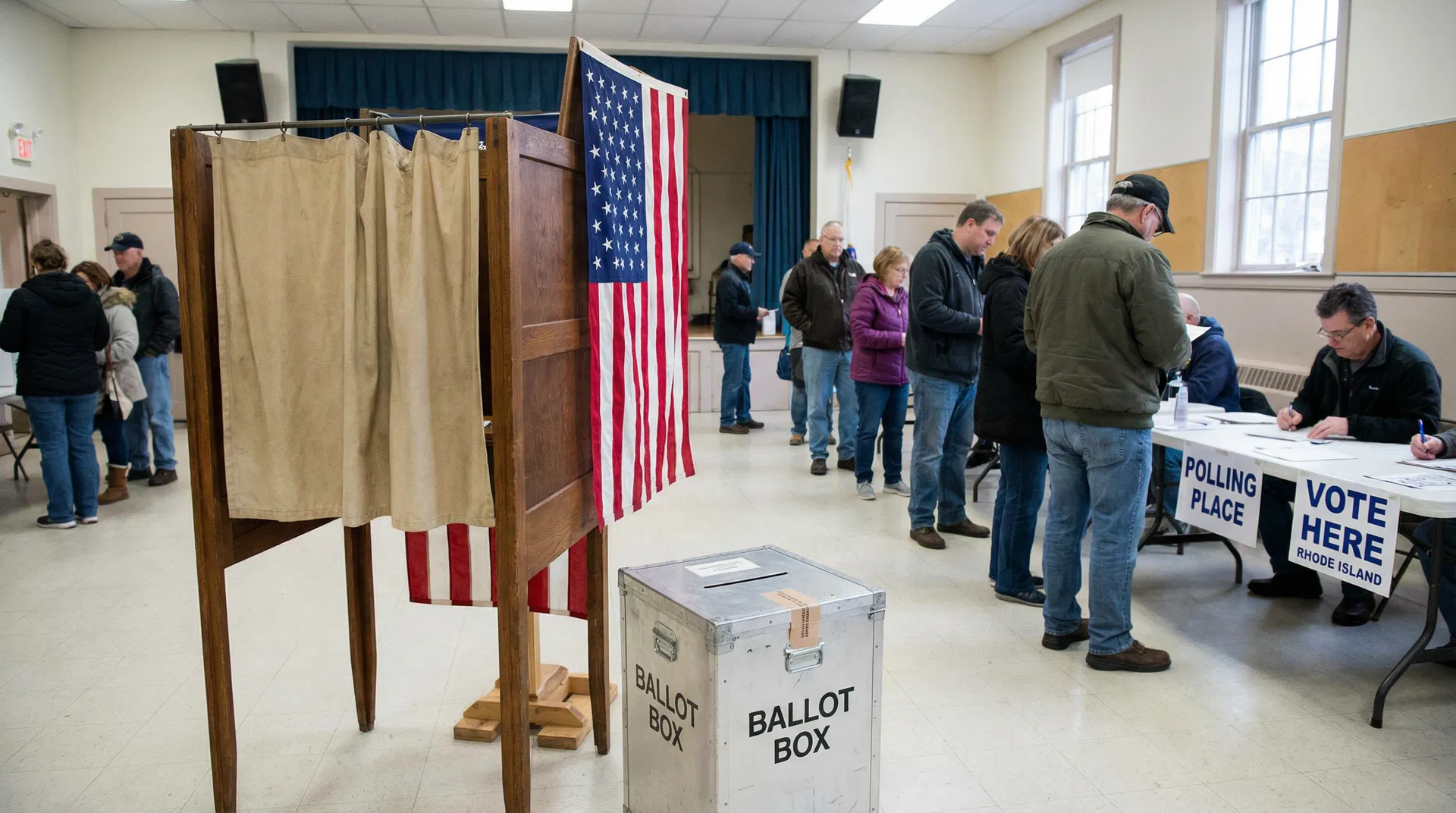
The Rhode Island General Assembly is advancing legislation to move the state's primary election from the second Tuesday in September to the second Tuesday in June, a change that supporters argue will increase voter participation and give nominees more time to organize their general election campaigns but which critics warn could reduce the pool of qualified candidates willing to run.
Rhode Island currently holds one of the latest primary elections in the nation, a scheduling quirk that has historically suppressed turnout by compressing the general election campaign into just eight weeks. Proponents of the change, led by Secretary of State Gregg Amore, note that states with earlier primaries consistently see higher primary turnout and more competitive general elections.
But some political observers and potential candidates have raised concerns that an earlier primary would require candidates to begin intensive fundraising and organizing much earlier in the year, potentially disadvantaging challengers who lack established donor networks and name recognition. "A June primary means you have to be raising money in January and February," said one Democratic operative who asked not to be identified. "That favors incumbents and well-connected insiders."
Conservative activists have expressed mixed views on the proposal. Some welcome the change as a way to increase civic engagement and give voters more time to evaluate candidates before November. Others worry that an earlier primary will reduce the time available for grassroots organizing that has historically helped insurgent conservative candidates overcome establishment opposition.
The bill has passed the Senate Government Oversight Committee and is expected to receive a full Senate vote before the end of April. If enacted, the new primary schedule would take effect for the 2028 election cycle.