
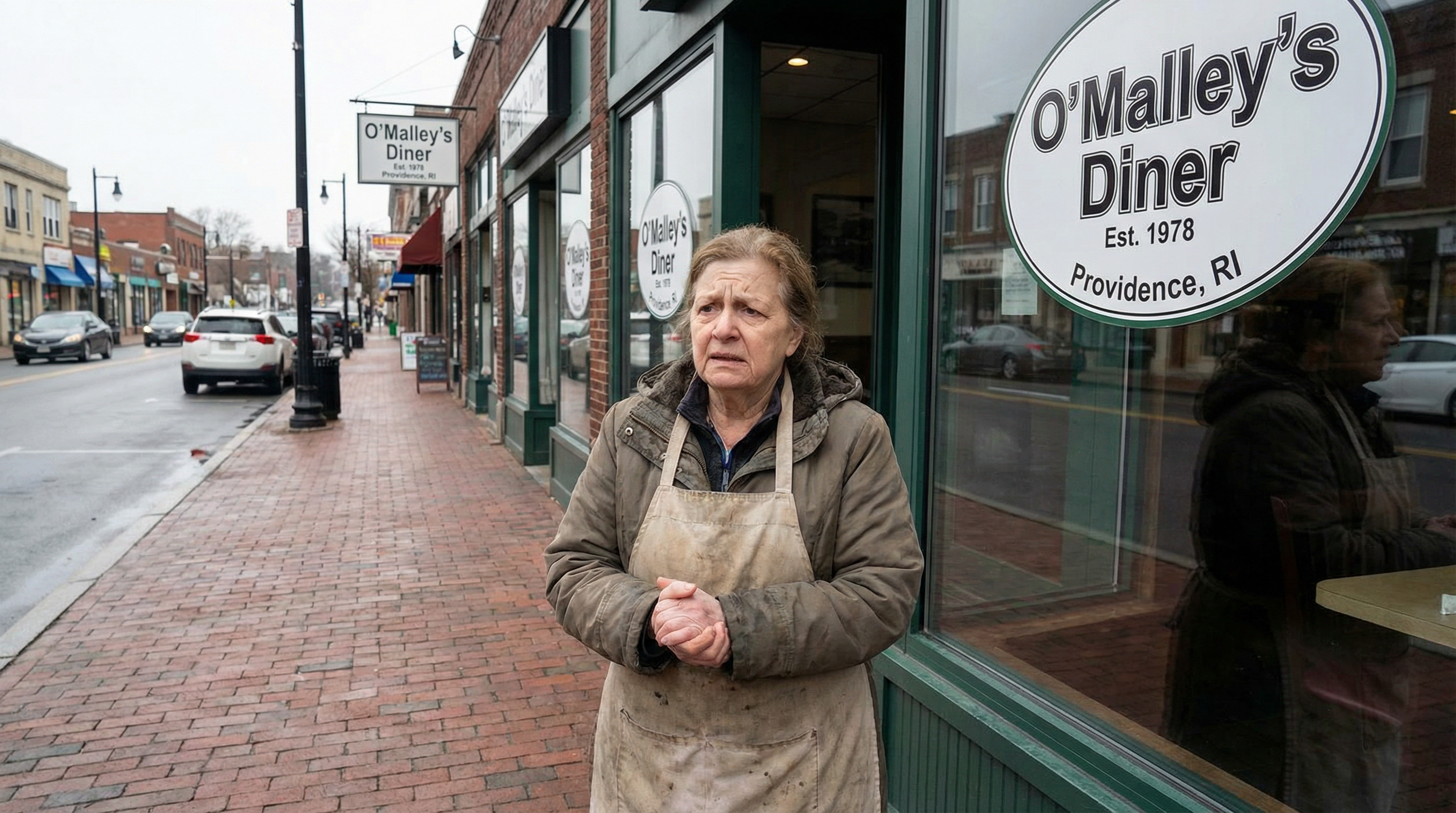
PROVIDENCE, RI – Rhode Island's minimum wage increased to $16 per hour on January 1st, the latest in a series of annual increases that have more than doubled the state's minimum wage over the past decade. While advocates celebrate the raises for low-wage workers, small business owners across the state are warning that the cumulative impact of the increases is threatening their viability.
The minimum wage increase, which was enacted as part of a multi-year schedule approved by the General Assembly, will affect an estimated 45,000 Rhode Island workers. Supporters argue that the higher wage will reduce poverty, stimulate consumer spending, and improve worker retention.
"No one who works full time should live in poverty," said Representative Anastasia Williams, who has been a leading advocate for minimum wage increases. "This raise will make a real difference in the lives of working families."
But small business owners, particularly those in the restaurant, retail, and personal services sectors, say the wage increases are forcing them to make difficult choices between raising prices, cutting hours, and reducing staff.
"I've had to raise menu prices three times in the past two years just to keep up with the minimum wage increases," said one Cranston restaurant owner who asked not to be identified. "My customers are already complaining about prices. I don't know how much more I can raise them before people stop coming in."
The National Federation of Independent Business argues that the increases are particularly harmful to businesses in lower-income communities, where customers have less ability to absorb price increases.
"The minimum wage increases are well-intentioned, but they're having unintended consequences," said Christopher Carlozzi, NFIB's Rhode Island director. "We're seeing businesses cut hours, automate tasks, and in some cases close entirely. The workers who are supposed to benefit are often the ones who end up losing their jobs."