
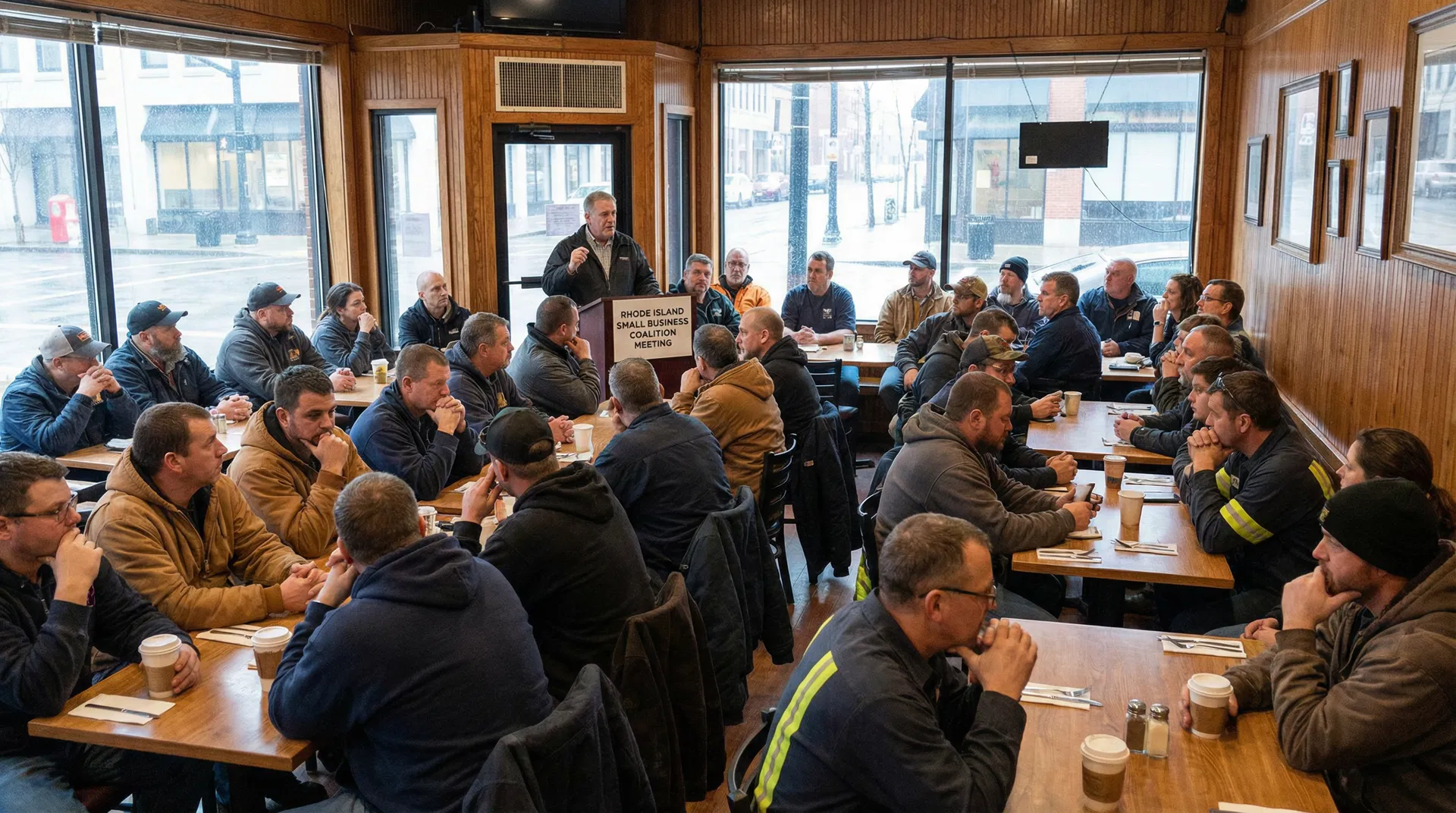
Rhode Island's minimum wage, currently $14 per hour, would rise to $17 per hour by January 2027 under legislation advancing in the General Assembly, a proposal that supporters say is necessary to help low-wage workers keep pace with inflation but which small business owners warn will force layoffs, reduced hours, and accelerated investment in automation.
The bill, which passed the Senate Labor Committee on a 5-2 vote, would increase the minimum wage in two steps: to $15.50 on January 1, 2026, and to $17 on January 1, 2027. Rhode Island's minimum wage has increased from $10.50 in 2019 to its current $14 level, a 33 percent increase over six years that business groups say has already strained margins in labor-intensive industries.
The Rhode Island Hospitality Association, which represents the state's restaurant and hotel industries, filed formal opposition, citing a survey of its members that found 68 percent would reduce staff hours and 42 percent would eliminate positions if the minimum wage reaches $17. "We are not opposed to workers earning more," said RIHA President Dale Venturini. "But the pace of these increases is unsustainable for businesses that are already operating on 3 to 5 percent margins."
The National Federation of Independent Business echoed these concerns, noting that Rhode Island's minimum wage is already among the highest in the region and that further increases will accelerate the adoption of self-service kiosks and other automation technologies that eliminate entry-level jobs. "Every time we raise the minimum wage, we make it harder for young people and low-skilled workers to get their first job," said NFIB Rhode Island Director Christopher Carlozzi.
Proponents of the increase, including the Economic Progress Institute, argued that higher wages reduce employee turnover, increase consumer spending, and ultimately benefit the broader economy. The bill is expected to pass the full Senate and faces a more uncertain path in the House.