
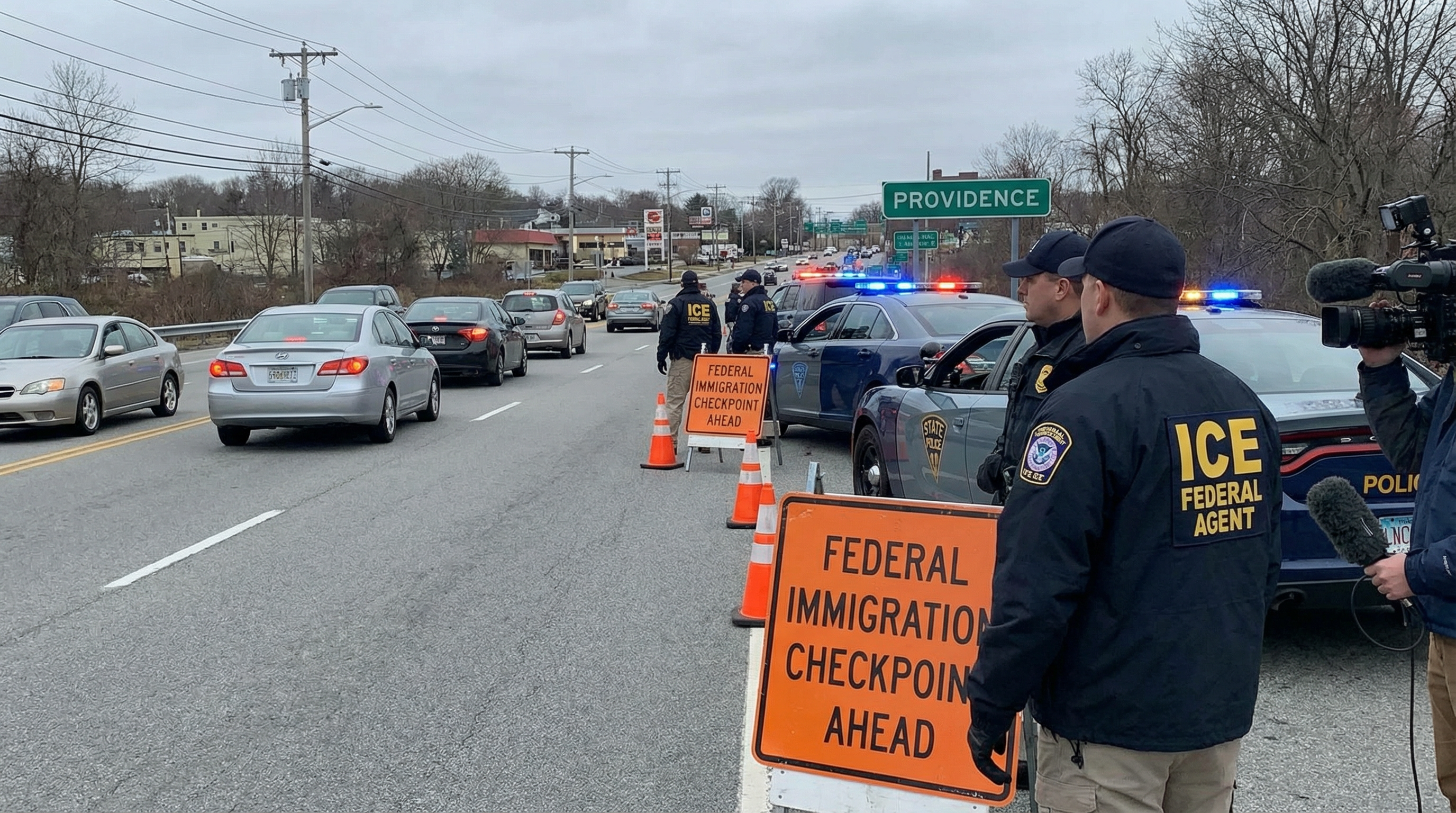
PROVIDENCE, RI – Federal immigration enforcement operations have increased significantly in Rhode Island since the start of the Trump administration, with Immigration and Customs Enforcement conducting targeted enforcement actions across the state that have resulted in the arrest of dozens of individuals with criminal records or outstanding deportation orders.
The enforcement operations, which are part of the Trump administration's broader effort to restore border security and enforce immigration law, have focused primarily on individuals with criminal histories, including those convicted of violent crimes, drug offenses, and DUI. ICE officials emphasize that their operations prioritize public safety threats and individuals who have defied court orders to leave the country.
"Our priority is public safety," said Todd Lyons, acting director of ICE. "We are focused on removing individuals who pose a threat to our communities—criminals, gang members, and those who have been ordered deported by a judge and refused to comply."
Rhode Island's status as a so-called "sanctuary state" has created tension with federal authorities. State law limits the cooperation of state and local law enforcement with federal immigration authorities, a policy that ICE officials say hampers their ability to remove dangerous individuals from communities.
Governor McKee and Providence Mayor Brett Smiley have both spoken out against the enforcement operations, arguing that they create fear in immigrant communities and undermine public safety by discouraging crime victims and witnesses from cooperating with police.
However, many Rhode Island residents—including some in immigrant communities—support the enforcement of immigration law, particularly against individuals with criminal records. A recent poll found that 62% of Rhode Island residents support the deportation of immigrants convicted of violent crimes, regardless of their immigration status.
"I'm an immigrant myself, and I came here legally," said one Cranston business owner who asked not to be identified. "I followed the rules. People who commit crimes and are here illegally should face consequences. That's not anti-immigrant—that's common sense."