
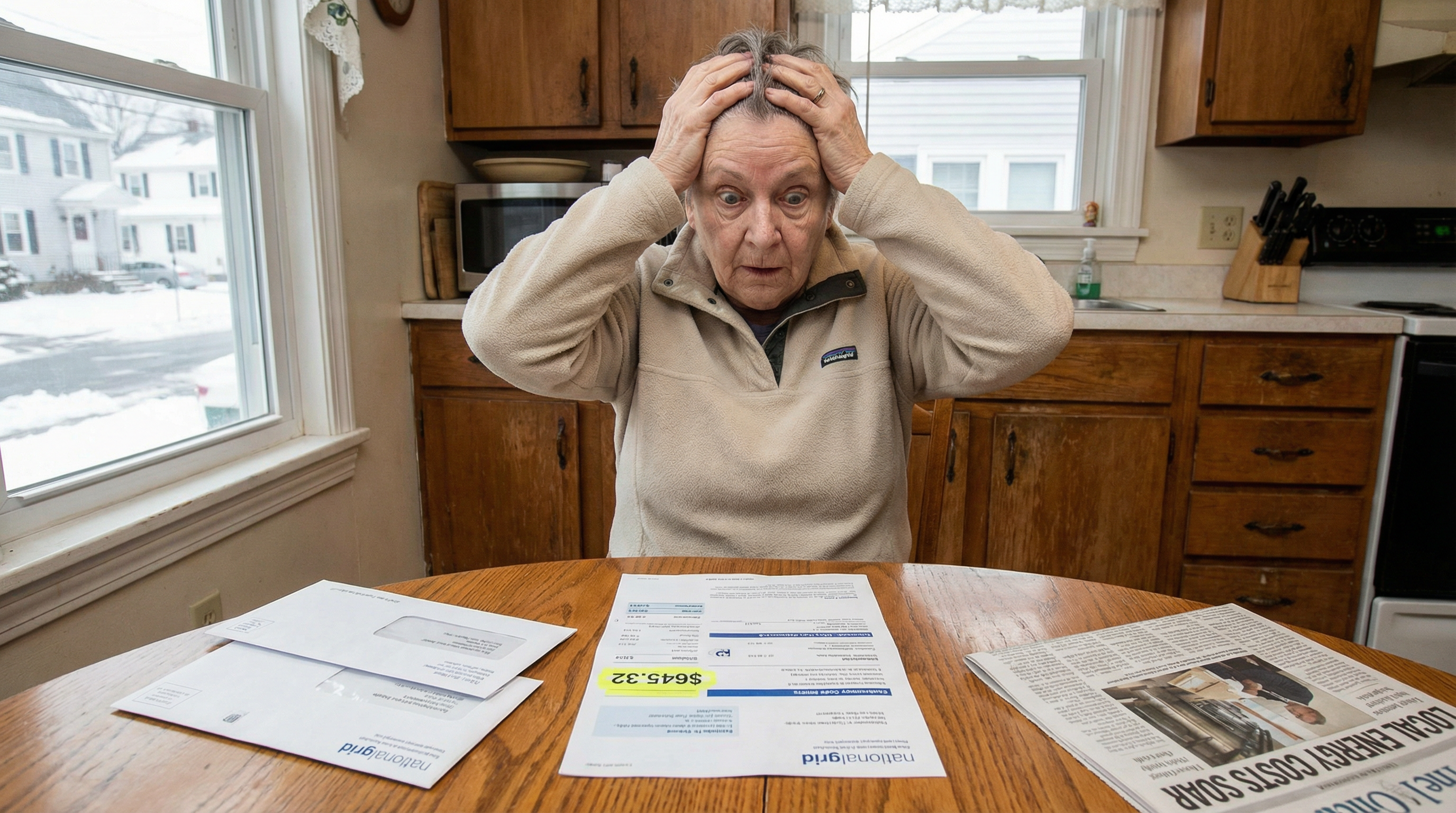
PROVIDENCE, RI – Rhode Island residents already burdened with the highest electricity rates in the continental United States are facing yet another potential rate increase, as National Grid has filed a request with the Rhode Island Public Utilities Commission for a 12% hike that would push the average monthly residential bill to over $180.
The rate increase request comes as households across the state are already struggling with energy costs that are nearly double the national average. Rhode Island's electricity rates, driven by high natural gas prices, aging infrastructure, and state-mandated renewable energy programs, have long been a source of frustration for residents and businesses alike.
"Rhode Island families cannot afford another rate increase," said state Representative Patricia Morgan, a Republican from West Warwick who has been a vocal critic of the state's energy policies. "We have the highest electricity rates in the country, and our leaders keep piling on more mandates and more costs. Something has to change."
National Grid argues that the rate increase is necessary to fund infrastructure upgrades and comply with state renewable energy mandates. The company points to billions of dollars in planned investments in grid modernization and the integration of offshore wind energy as justifications for the higher rates.
Critics argue that Rhode Island's aggressive pursuit of renewable energy mandates—which require utilities to source an increasing percentage of power from renewable sources—is a primary driver of the state's high electricity costs. The state's Renewable Energy Standard requires utilities to source 38.5% of electricity from renewable sources by 2035.
"Every time the state adds a new renewable mandate, it adds to the cost of electricity for Rhode Island families," said Mike Stenhouse of the Rhode Island Center for Freedom and Prosperity. "We're essentially asking working families to subsidize a green energy agenda that they can't afford."
The rate increase request will be subject to public hearings before the PUC makes a final determination. Consumer advocates are expected to challenge the request, and the process could take several months.